Share This Post
Bigger Isn’t Bad…Choosing the Right Size Gun for Your Hands and Your Life
Sometimes…bigger is better 😉
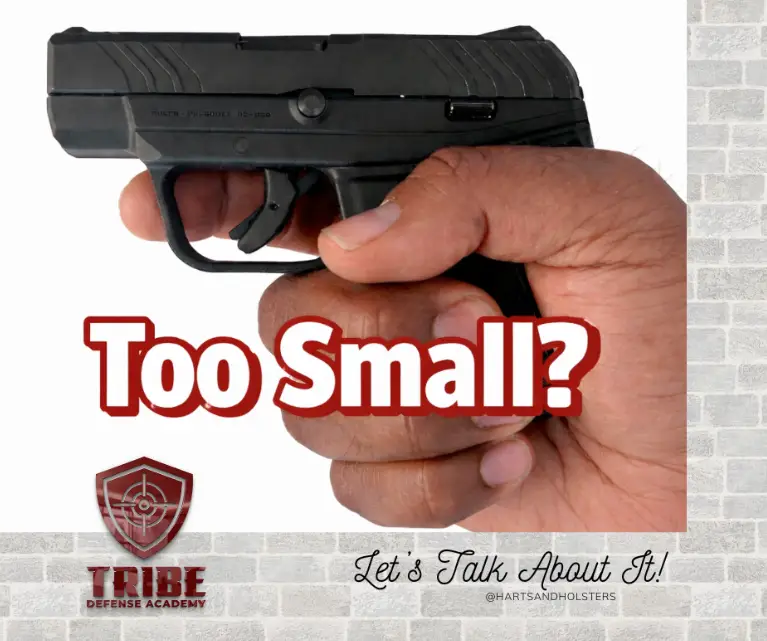
One of the biggest mistakes we see new gun owners make is buying a firearm that’s too small. Micro, subcompact, and slim pistols are everywhere right now, especially with more people getting concealed carry permits. They look good on paper. They’re easy to market. But popular doesn’t always mean practical.
The right firearm isn’t about trends. It’s about fit, control, and how you actually plan to use it.
Why People Buy Guns That Are Too Small
Most people go small for the same reasons. They want something lightweight. Easy to conceal. Comfortable to carry. And somewhere along the way, they’re told smaller equals easier. The problem is, smaller guns usually come with more recoil, less grip, and less forgiveness when it comes to shooting fundamentals.
That tiny grip gives your hands less real estate. The lighter frame transfers more recoil into your wrists. And suddenly the gun feels snappy, uncomfortable, or hard to control. When that happens, people stop training. And a gun you don’t train with doesn’t build skill or confidence.
Hand Fit Matters More Than Size Labels
Compact. Micro. Full-size. These labels don’t mean much if the gun doesn’t fit your hands. When you grip a firearm, your hands should feel supported, not strained. You should be able to reach the trigger comfortably, manipulate the controls without shifting your grip, and maintain control through recoil.
If you have to constantly readjust your hands or fight the gun during recoil, that’s a sign the firearm may be too small for you. Comfort leads to control. Control leads to accuracy. Accuracy builds confidence.
What You’re Using the Gun For Changes Everything
The “right” gun depends on what you need it to do. A home defense firearm doesn’t have the same requirements as a concealed carry gun. A range training gun may be different from your everyday carry option. Trying to make one gun do everything often leads people to compromise in ways that hurt their training.
That’s why we talk through purpose first. Where will this gun live most of the time? How often will you train with it? How will you carry it? Those answers matter more than the size category printed on the box.
Recoil, Grip, and Confidence
Smaller guns are less forgiving of poor grip and trigger control. That’s not a flaw…it’s physics. More recoil in a smaller frame requires better fundamentals. For newer shooters, that can slow progress and create frustration. A slightly larger firearm often allows new shooters to learn faster, shoot more comfortably, and build confidence sooner.
Confidence doesn’t come from forcing yourself to like a gun. It comes from shooting something that works with your body, not against it.
Why You Should Always Handle Before You Buy
Buying a gun without touching it is like buying shoes without trying them on. What feels good in your hand matters. That’s why we always recommend visiting a shop where you can ask questions, handle different options, and get honest guidance.
One of our favorite local shops is EJB’s Guns. They take the time to let people handle different firearms, ask real questions, and make informed decisions instead of rushed ones. That experience alone can save you money and frustration down the road.
Training Will Tell You the Truth
Buying a gun without shooting it first is one of the fastest ways to end up with something that doesn’t work for you. What feels good in your hand at the counter can feel completely different once recoil, grip, and control come into play. That’s why we offer Try Before You Buy range sessions. An option at each of our private range trainings is for us to bring 5 firearms and ammo for an extra fee. You get the chance to shoot different firearms, feel the difference in size and recoil, and learn what actually fits your hands and your purpose before spending your money. Confidence doesn’t come from guessing…it comes from experience, and shooting before you buy helps you make smarter, more intentional choices.